Is Laser Hair Removal Right for You Understanding Suitability for Different Skin and Hair Types
- brunahtonolli
- 21 hours ago
- 3 min read
Laser hair removal has become a popular choice for those seeking a long-term solution to unwanted hair. But is it the right option for everyone? This post explores how laser hair removal works, the factors that influence its success, common concerns about skin and hair types, and why professional consultations are essential. By understanding these points, you can make an informed decision about whether this treatment fits your needs.

How Laser Hair Removal Works
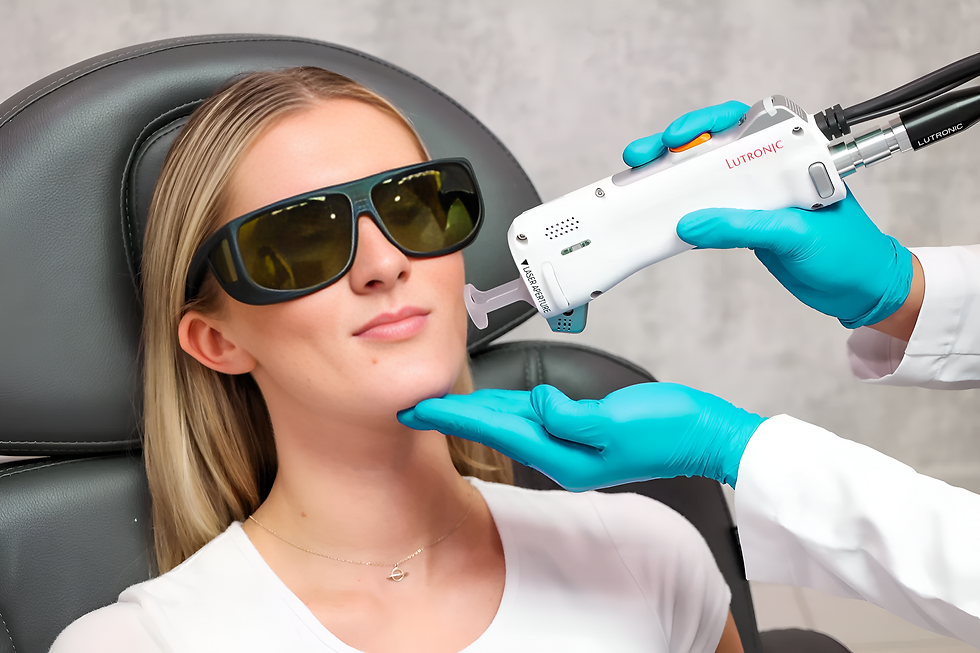
Laser hair removal uses concentrated light beams to target hair follicles beneath the skin. The laser emits a specific wavelength absorbed by the pigment (melanin) in the hair. This absorption converts light to heat, damaging the follicle and reducing its ability to grow hair.
The process requires multiple sessions because hair grows in cycles. The laser is most effective during the active growth phase when the follicle contains the most pigment. Treatments spaced weeks apart increase the chance of targeting all hair follicles over time.
Factors Influencing Treatment Success
Several factors affect how well laser hair removal works for each person. Understanding these can help set realistic expectations.
Skin Tone
Laser hair removal targets pigment in hair, so contrast between skin and hair color matters. People with lighter skin and darker hair typically see the best results because the laser can focus on the hair pigment without affecting the skin.
Advances in laser technology have made treatment safer and more effective for darker skin tones. Devices like Nd:YAG lasers use longer wavelengths that penetrate deeper and reduce skin damage risk. Still, treatment for darker skin requires experienced professionals to adjust settings carefully.
Hair Color and Thickness
Dark, coarse hair absorbs laser energy better than light or fine hair. Blonde, grey, red, or white hair contains less melanin, making it harder for the laser to target follicles effectively. Some lasers and technologies show promise in treating lighter hair, but results may vary.
Thicker hair tends to respond better because it contains more pigment and absorbs more laser energy. Fine or thin hair may require more sessions or alternative hair removal methods.
Hormonal Factors
Hormones influence hair growth patterns. Conditions like polycystic ovary syndrome (PCOS) or hormonal imbalances can cause excessive hair growth or resistance to laser treatment. People with such conditions might need more sessions or combined treatments to manage hair growth effectively.
Medical History and Medications
Certain medical conditions and medications can affect laser hair removal safety and effectiveness. For example, photosensitive medications increase the risk of skin reactions. Skin conditions like eczema or psoriasis may require special care or delay treatment.
Always disclose your full medical history and current medications during consultation to ensure safe treatment.
Common Concerns About Laser Hair Removal
Effectiveness on Darker Skin Tones
Earlier laser technology posed risks for darker skin, such as burns or pigmentation changes. Today’s lasers have improved safety profiles, allowing many with darker skin tones to benefit from treatment. The key is choosing the right laser type and an experienced provider who understands how to adjust settings.
Why Professional Consultations Matter
A professional consultation is crucial to tailor a treatment plan to your unique skin and hair characteristics. During the consultation, the provider will:
Assess your skin tone and hair type
Review your medical history and medications
Discuss your hair removal goals and expectations
Recommend the best laser type and treatment schedule
Explain potential risks and side effects
This personalized approach maximizes safety and effectiveness while helping you understand what results to expect.
Setting Realistic Expectations
Laser hair removal can significantly reduce hair growth, but it rarely removes hair permanently in one session. Most people need 6 to 8 treatments spaced weeks apart. Hair may regrow over time, but usually finer and lighter.
Some individuals may not be ideal candidates due to skin or hair type, medical conditions, or hormonal factors. In these cases, providers may suggest alternative hair removal methods or combined approaches.
Laser hair removal technology has advanced to serve a wider range of skin tones and hair types than ever before. By understanding how it works and the factors that influence success, you can decide if it fits your needs. Always seek a professional consultation to create a safe, effective, and personalized treatment plan. With the right approach, laser hair removal can offer a lasting solution to unwanted hair and boost your confidence.

Comments